
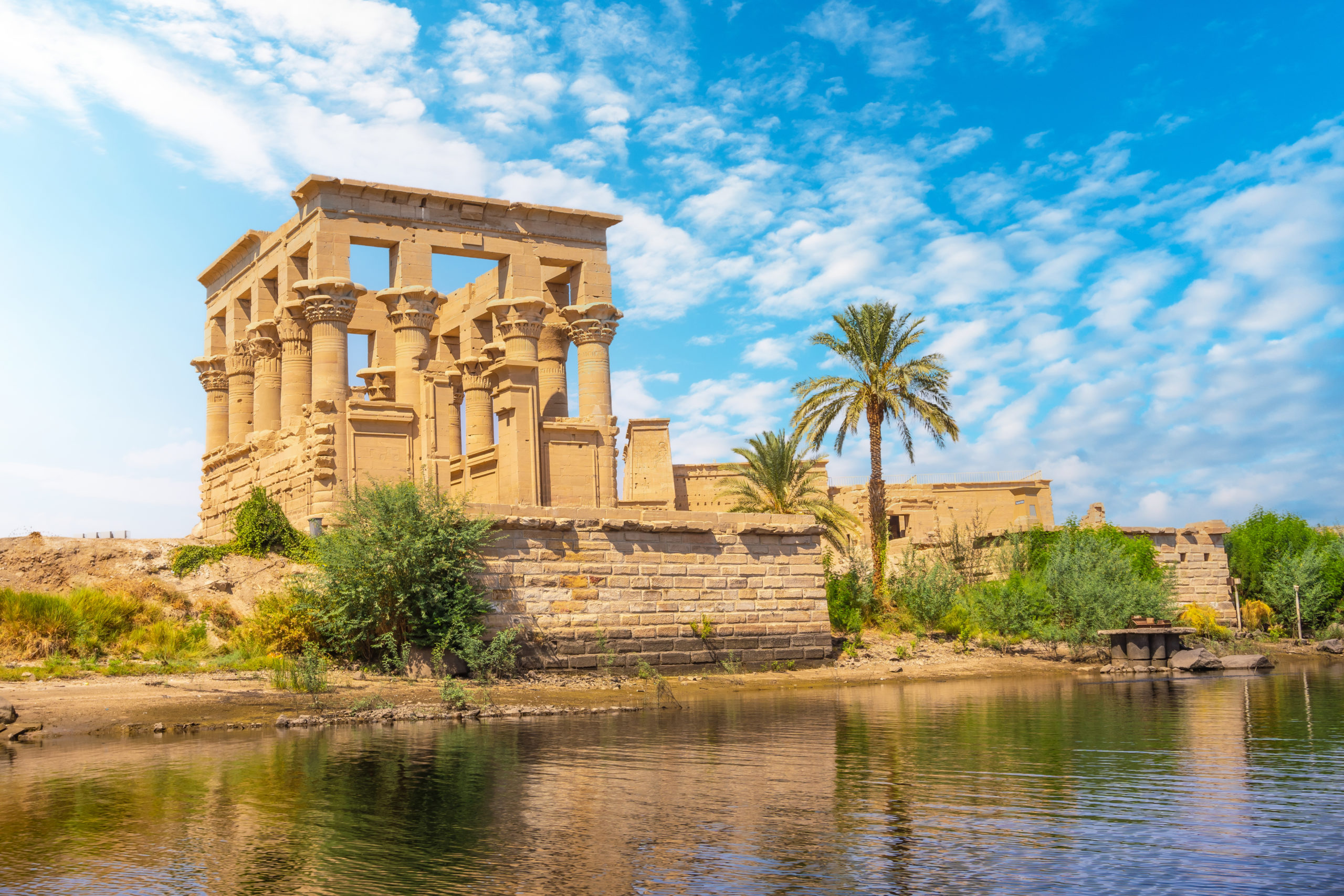
Aswan is one of the most beautiful destinations in southern Egypt, known for its peaceful Nile scenery, ancient temples, colorful Nubian villages, and relaxed atmosphere. Located along the Nile River, the city offers a different experience from the busy streets of Cairo and the monumental temple complexes of Luxor.
Whether you want to explore Philae Temple, discover Nubian traditions, sail on a traditional felucca, or take a day trip to Abu Simbel, Aswan offers a memorable combination of history, culture, and natural beauty. This Aswan travel guide covers the top attractions, cultural experiences, best time to visit, and most rewarding day trips to help you plan your journey.
Best Things to Do in Aswan
Visit Philae Temple
Philae Temple is one of Aswan’s most remarkable ancient sites. Dedicated primarily to the goddess Isis, the temple complex features impressive columns, detailed reliefs, ceremonial courtyards, and elegant stone structures surrounded by the Nile.
Reaching the temple by motorboat is part of the experience. The short journey across the water offers beautiful views of the island and its rocky surroundings. The temple was relocated to Agilkia Island during an international preservation campaign to protect it from rising water associated with the Aswan High Dam. Today, it remains one of the essential stops for anyone visiting southern Egypt.
Explore the Unfinished Obelisk
Located in Aswan’s ancient granite quarries, the Unfinished Obelisk reveals how the ancient Egyptians worked with enormous blocks of stone. The monument was abandoned before completion, leaving visible evidence of the carving process in the surrounding granite.
If completed, it would have been one of the largest obelisks ever created. Visiting the site provides a fascinating perspective on the engineering skills and quarrying techniques used to produce the monuments seen throughout Egypt.
Discover the Aswan High Dam
The Aswan High Dam is an important modern landmark that transformed Egypt’s relationship with the Nile. Completed in the twentieth century, it helped regulate the river’s annual flooding and created Lake Nasser, one of the world’s largest artificial lakes.
A visit offers insight into modern Egyptian engineering and the economic importance of water management. The dam also played a major role in the story of Nubian monument preservation, as rising water threatened several archaeological sites in southern Egypt.
Take a Felucca Ride on the Nile
A traditional felucca ride is one of the most relaxing ways to experience Aswan. These simple sailing boats move gently across the Nile, offering views of palm-lined riverbanks, islands, desert hills, and traditional riverside settlements.
Late afternoon is especially appealing, when the sunlight softens and the river takes on warm golden colors. Depending on the route and weather conditions, a sailing trip may pass near Elephantine Island, the Botanical Garden, or other scenic stretches of the river.
A felucca ride is ideal for travelers who want a slower experience between sightseeing visits. Bring sun protection and confirm the expected duration with your boat operator before departure.
Visit Elephantine Island
Elephantine Island is an important archaeological and cultural destination in the Nile. Its history reflects Aswan’s role as a gateway between ancient Egypt and Nubia, with archaeological remains connected to local religious traditions and the management of the Nile.
Visitors can explore historic remains, learn about the island’s past, and enjoy views of the surrounding river. The island also provides an opportunity to understand how communities lived along this important southern trade route.
Explore the Nubia Museum
The Nubia Museum is one of the best places to learn about Nubian history and cultural heritage. Its collections include archaeological objects, traditional crafts, historical displays, and exhibits that trace the development of Nubian civilization.
The museum also explains the importance of preserving Nubian heritage during the construction of the Aswan High Dam and the relocation of major monuments. Visiting before exploring a Nubian village can provide useful context for understanding the region’s traditions, architecture, and history.
Wander Through Aswan Old Market
Aswan Old Market is a lively place to discover local products and everyday city life. The market is known for spices, herbs, perfumes, textiles, souvenirs, and traditional handicrafts.
It is a good place to shop for gifts or simply enjoy the atmosphere of southern Egypt. Take your time browsing, ask permission before photographing people, and agree on prices before purchasing items when necessary.
Visit the Aswan Botanical Garden
Located on Kitchener’s Island, the Aswan Botanical Garden offers a peaceful escape surrounded by the Nile. The garden contains a variety of trees and plants from different regions, with shaded paths and attractive river views.
It is particularly enjoyable for visitors who want a break from archaeological sightseeing. The garden can also be combined with a boat ride, making it an easy addition to a relaxed afternoon in Aswan.
Experience Nubian Culture in Aswan
Nubian culture is an essential part of Aswan’s identity. Nubian communities have a long history in the Nile Valley, with distinctive languages, music, crafts, food traditions, and architectural styles. Exploring this heritage adds a cultural dimension to a visit that goes beyond ancient Egyptian temples.
Visit a Nubian Village
A visit to a Nubian village, such as Gharb Soheil, introduces travelers to colorful homes, local crafts, traditional hospitality, and everyday life along the Nile. Depending on the experience arranged, visitors may have the opportunity to meet local residents, browse handmade products, and learn about Nubian customs.
Some village visits include a traditional meal or refreshments. Choosing a locally operated experience can help visitors learn directly from the community while supporting local businesses.
Remember that villages are living communities rather than open-air museums. Ask before photographing residents or entering private homes, and respect local customs.
Try Traditional Nubian Food
Food is another way to experience Nubian heritage. Depending on the household or restaurant, visitors may find dishes prepared with rice, vegetables, bread, poultry, and locally available ingredients. Recipes and serving traditions vary between families and communities.
A meal during a village visit can offer a more personal experience than sightseeing alone. If you have dietary requirements, communicate them when arranging the visit.
Enjoy Nubian Music and Handicrafts
Nubian music, singing, and dance are important expressions of cultural identity. Some cultural experiences include live performances, while local shops offer handmade jewelry, textiles, bags, and decorative crafts.
Buying directly from artisans when possible is a meaningful way to support traditional skills. Visitors should also remember that Nubian communities are diverse, and no single performance or village visit represents every aspect of Nubian life.
Best Day Trips from Aswan
Abu Simbel Temples
Abu Simbel is the most famous day trip from Aswan and one of the most impressive archaeological destinations in Egypt. Located far south near Lake Nasser, the site contains two monumental rock-cut temples commissioned by Ramesses II.
The Great Temple is renowned for its four colossal statues of the king, while the smaller temple is dedicated to Queen Nefertari and the goddess Hathor. The scale of the façades and the carved interiors make Abu Simbel a highlight for travelers interested in ancient Egyptian history.
The temples were relocated to higher ground during an international campaign to protect them from the rising waters of Lake Nasser. Today, the site forms part of the UNESCO-listed Nubian Monuments.
A typical day trip requires a very early departure and several hours of travel each way. Depending on your preferences, you can arrange a private vehicle or join a group excursion. Confirm the departure time, transportation arrangements, entrance fees, and expected return time before booking.
Kom Ombo Temple
Kom Ombo Temple is located north of Aswan on the east bank of the Nile and is often visited during a Nile cruise. The temple is distinctive because its design includes a double layout associated with two groups of deities, including Sobek, the crocodile god, and Horus the Elder.
The site features carved columns, reliefs, and details that reveal aspects of ancient religious practice. It can be visited as a dedicated excursion from Aswan, although the distance makes it more convenient when included in a longer Nile itinerary.
Edfu Temple
Edfu Temple is dedicated to Horus and is among the best-preserved ancient Egyptian temples. Its monumental entrance, large courtyard, columns, and detailed reliefs help visitors imagine the scale and organization of ancient religious ceremonies.
Edfu lies north of Aswan, making it a longer road excursion than the main city attractions. For many travelers, the most convenient way to visit is as part of a Nile cruise between Aswan and Luxor, often combined with Kom Ombo.
Kalabsha Temple
Kalabsha Temple is a rewarding option for travelers interested in Nubian monuments and quieter archaeological sites. Located near Lake Nasser, the temple is associated with the Nubian god Mandulis and reflects the cultural connections between ancient Egypt and Nubia.
Like several monuments in the region, it was moved to protect it from the rising waters created by the High Dam. It is a good choice for visitors who have additional time in Aswan and want to explore beyond the city’s most famous landmarks.
Best Time to Visit Aswan
The cooler months, generally from October to April, are usually the most comfortable for sightseeing. Daytime temperatures are often more suitable for visiting temples, walking through archaeological sites, and exploring outdoor markets.
Summer can be extremely hot, particularly around midday. Travelers visiting during the warmer months should schedule outdoor activities for early morning or late afternoon, drink water regularly, and use sun protection.
The best time for your trip also depends on your itinerary. Abu Simbel excursions require an early start, while a felucca ride is often most enjoyable when th


Nemo enim ipsam voluptatem quia voluptas sit aspernatur aut odit aut fugit, sed quia consequuntur magni dolores eos qui ratione voluptatem sequi nesciunt.
Duis aute irure dolor in reprehenderit in voluptate velit esse cillum dolore
hello